News
What is Heat Sealing and What is Induction Sealing?
2026-08-31
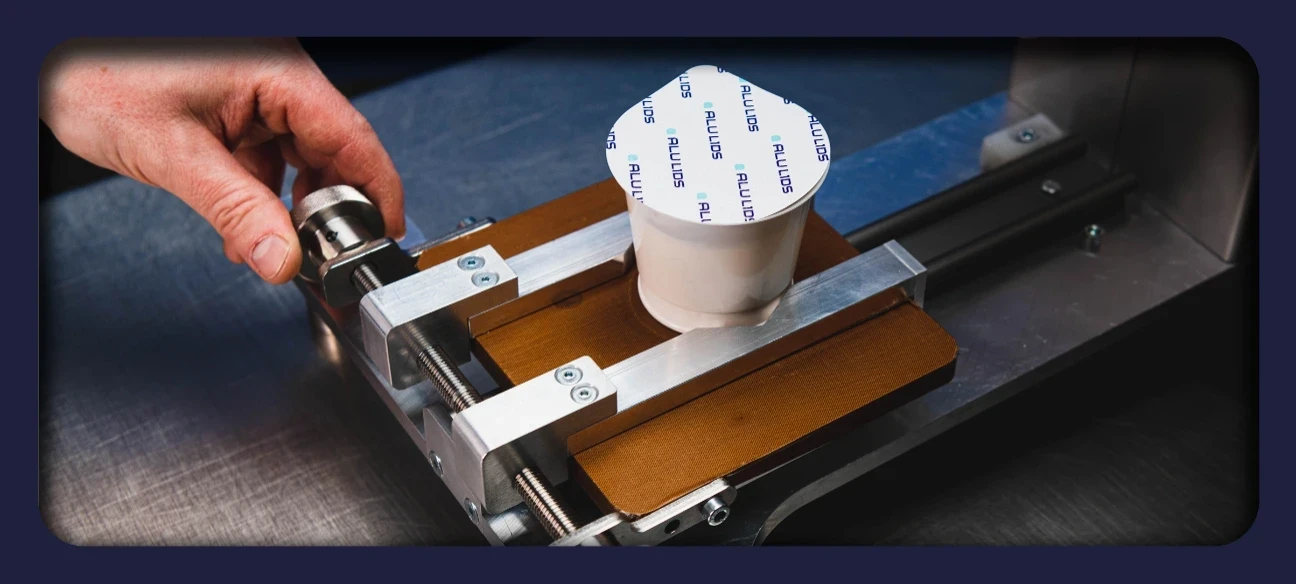
Both conduction and induction sealing fall under the broader technology of heat sealing. Often called the “Art of Sealing,” this process uses the precise interaction of temperature, pressure, and time to bond surfaces, typically those involving a thermoplastic layer. Aluminum foil serves as the gold standard material here because it offers a nearly absolute barrier to moisture, oxygen, and light that plastic alone cannot match. The primary goal is to ensure package integrity, preventing external contaminants from entering and preserving the product until use.
Conduction sealing relies on direct physical contact between a heated tool, like a jig or platen, and the packaging material. Because this method requires mechanical movement to press a tool against each package, it supports moderate line speeds.
Induction sealing is a distinct, contactless process that generates heat within the packaging material using an electromagnetic field. There is no physical contact between the equipment and the product, which removes the mechanical bottleneck of physical pressing and allows for high-speed production.
Which option should you Choose?
Buyers in the pharmaceutical, cosmetic, and food industries must base their choice on container format, production speed requirements, and necessary safety features like tamper evidence.
Conduction sealing is the primary choice for open-top containers such as yogurt cups. In pharmaceutical manufacturing, it is the essential process for creating unit-dose blister packs, where an aluminum lidding foil is heat-sealed to a preformed plastic web. If your priority is complex shapes or unit-dosing, conduction sealing is highly effective. Aluminum’s high thermal conductivity ensures an even distribution of heat across the seal area, allowing it to bond easily to various substrates.
Induction sealing is designed specifically for bottles and jars with screw caps, making it the standard for pharmaceutical products, beverages, or sauces. Sealing occurs after the cap is already applied, protecting the product from environmental contamination during the final production step. If your priority is maximum throughput on a bottling line, this method provides an immediate hermetic seal and clear tamper evidence. Once the consumer removes the cap, the broken foil liner offers visible proof that the package has not been previously opened.